
New York Scuba Diving
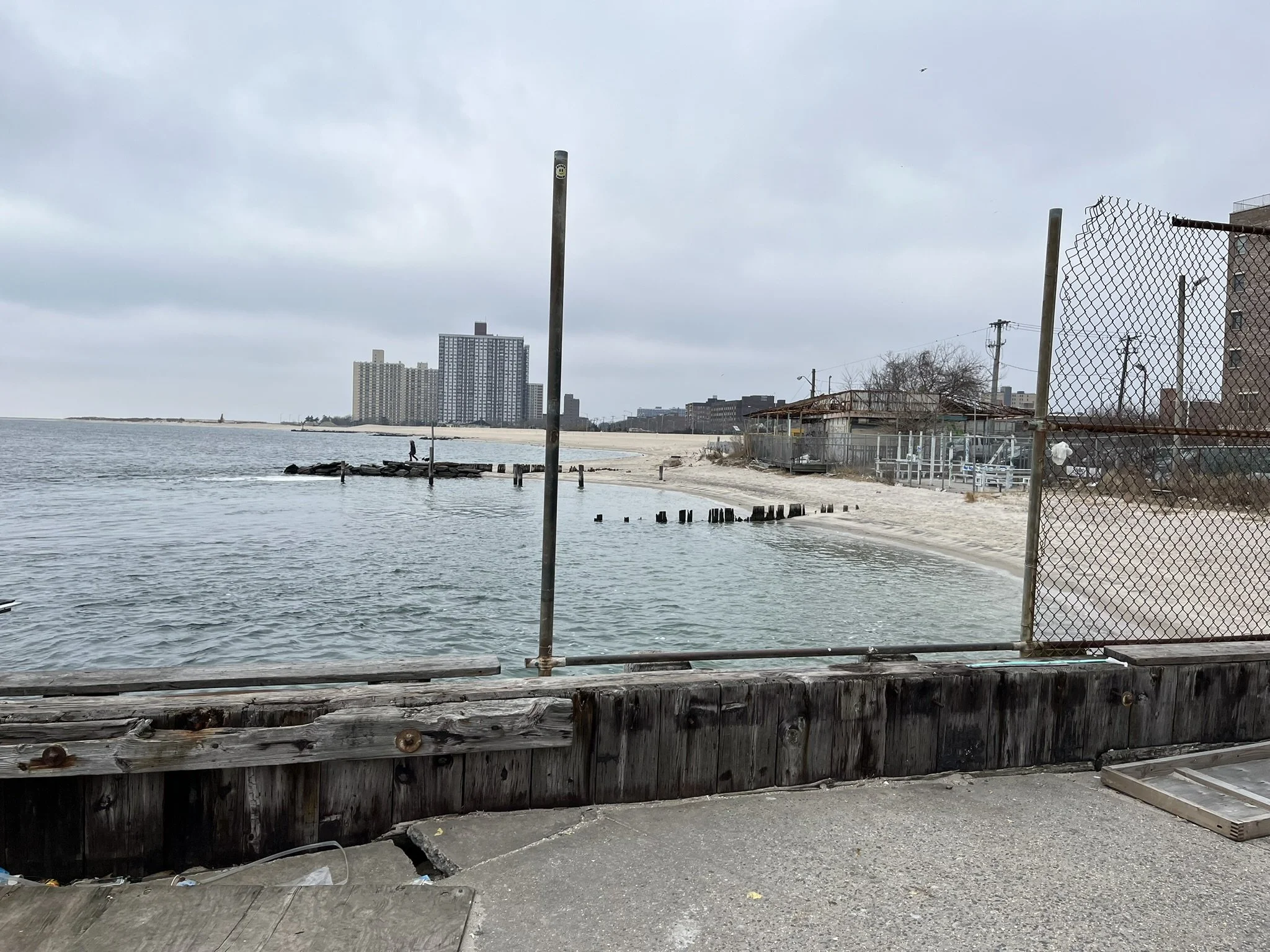
The first question I get asked after telling someone I scuba dive in New York is “Why?”. The pithy answer is because Rockaway Beach is closer than Bonaire. The more honest answer is because New York is my home and we do have genuinely great diving. Even after 20 years of local diving I am still able to dive new shipwrecks, find new critters, and explore what are often overlooked parts of New York’s history and ecology.
This page is not meant to be a local dive guide, others have already made that contribution and I am grateful for their hard work. Instead I am just looking to share photos from some of my diving adventures. Mostly I would like to prove that New York’s waters are not just some dark, lifeless landscape. I also hope that some of these photos might be enough to encourage people to take the plunge into our local waters. For those interested in diving deeper into the topic I have also included a small directory at the bottom of this page with some of the local diving resources including websites, local clubs, dive shops and dive boats.
-Harris Moore
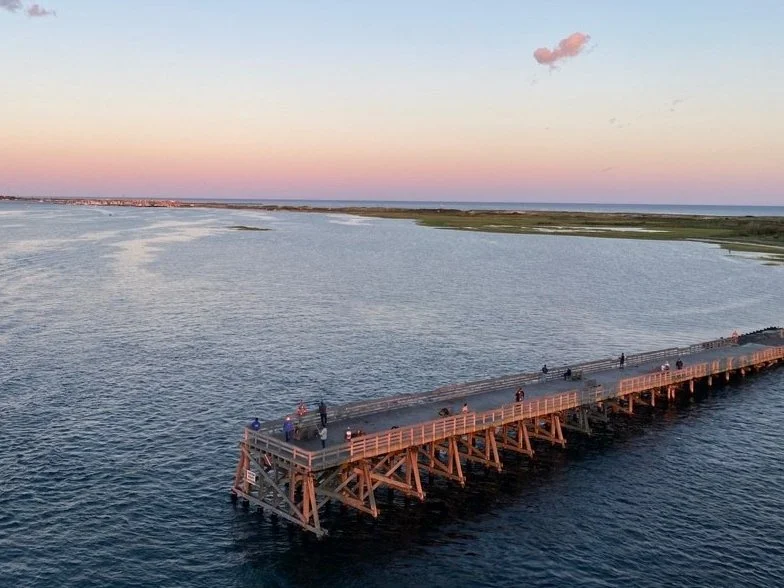
Tropical Fish of New York
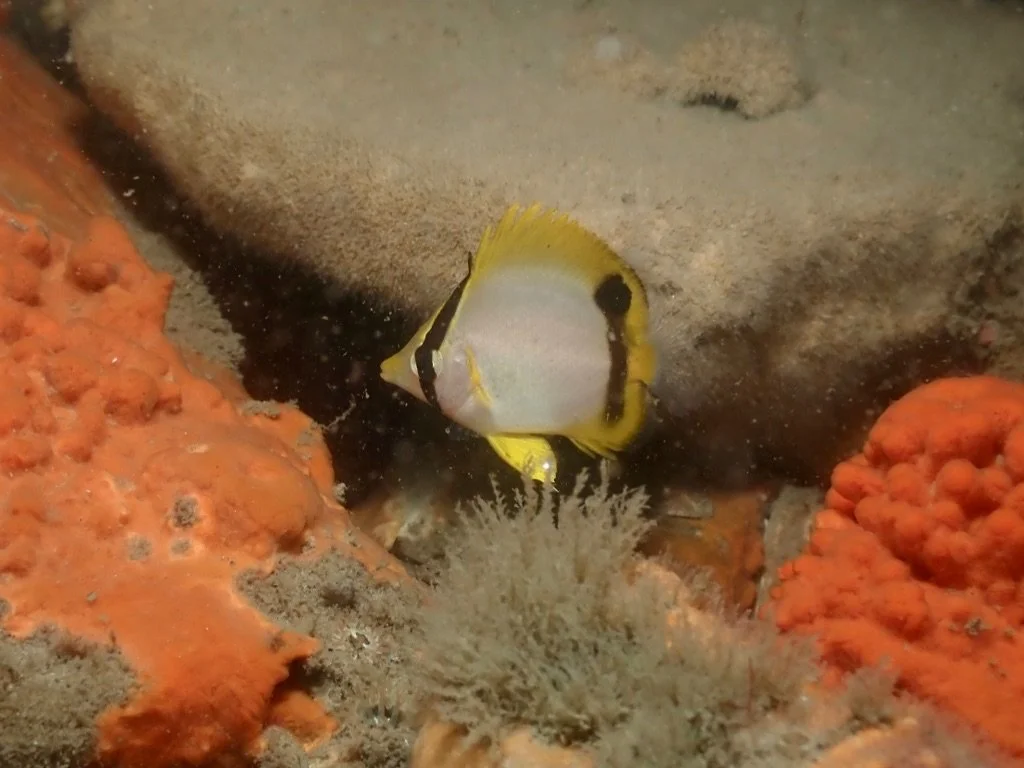
Shipwrecks and Dive Sites
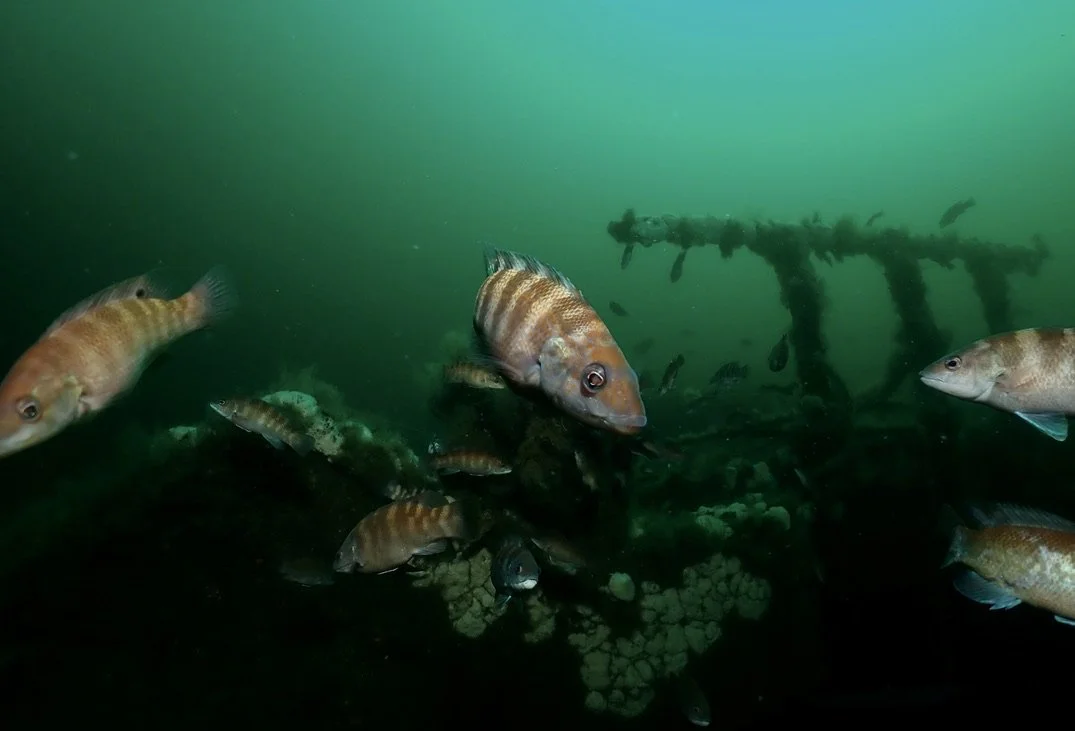
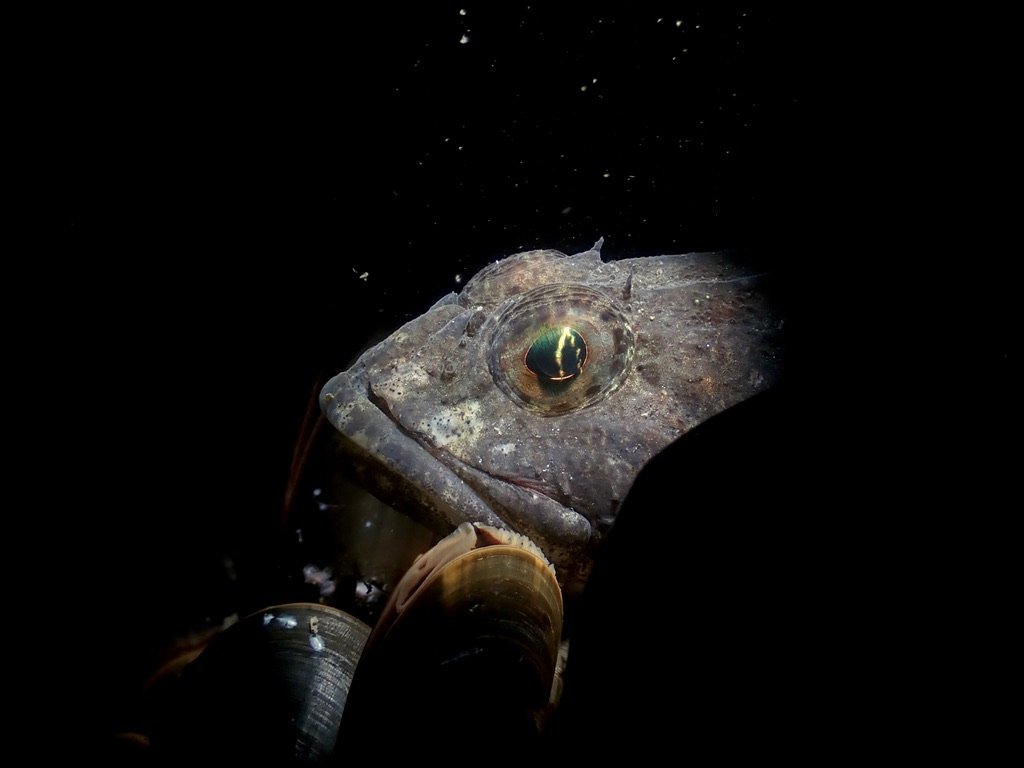
Marine Life of New York
Rivers & Lakes
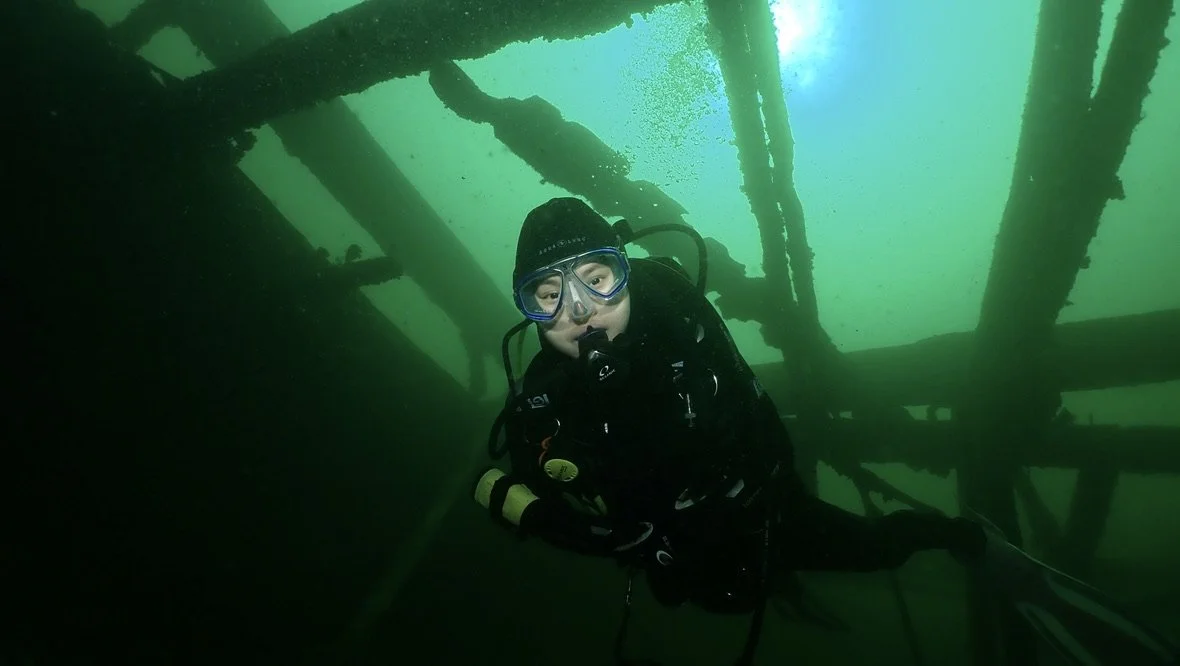
Getting started diving in the Northeast takes work. But if you are willing to put in the time and effort can be tremendously rewarding. Below is my guide for getting started.
Step 1: Support your Local Dive Shop
Local diving would not be possible without local dive shops. These are the people that will fill your tanks, service your gear, give you recommendations for equipment, dive sites, and training. Their success is your success. Shop around, find a shop or two you like, and stick with them.
Step 2: Take a Class
When I was teaching scuba I would always tell my students that certification card is just a license to learn. Northeast conditions are challenging, the visibility can be poor, the water is cold, the wrecks are deeper, and a lot of our dive boats and beach dives require diving procedures that differ from what you may have experienced elsewhere. The best way to start diving the Northeast is by taking a class with an experienced local instructor. What class you take will depend on what you want to accomplish, but good classes to consider are an Introduction to Local Diving, Drysuit, Boat or Wreck Diving Classes, Advanced Nitrox, or even a Cavern class.
Step 3: Join a Local Dive Club
It is hard to dive by yourself. Dive Clubs are the best way to get involved in local diving. Joining one is an easy way to find dive buddies, attend organized dives and trips, and get access to various events and speakers. Clubs are a core part of the local dive community. The largest dive club in the NYC area is Big Apple Divers. Another very active club for Long Island is The Dive Club . However there are many other local clubs, and many dive shops in the area sponsor their own diving clubs.
Step 4: Go Diving
This may sound obvious but the only way to become a local diver is to dive locally. Sign up for dives, go for a beach dive, go wreck diving, join a group for a bottle dive, spend a day at Lake Hydra or Lake Minnewaska. The more experience you get the easier diving up here will become. No one started out as a great diver on dive one, and anyone who tells you otherwise is lying. Keep diving, practice, try new things, ask questions, and be open to learning.
Step 5: Be Prepared to Suffer
There’s no sugarcoating it—diving in the Northeast requires a certain amount of suffering. There will be days when you find yourself overheating in a wetsuit or drysuit in the July heat. There will be dives where you hit a thermocline and suddenly freeze in 42-degree water. Some days will have near-zero visibility, and you’ll need to feel the dive site rather than see it. You’ll be stuck carrying 50–60 pounds of gear up ladders, down stairs, and across beaches. There will be moments when you ask yourself, “Why am I doing this?”
But it’s all worth it. If you dive enough, you’ll have bad days—but you’ll also have incredible ones. You’ll get days with clear water, when local wrecks and beaches look almost tropical. You will see tiny tropical fish swimming through the back bays or whales surfacing next to your dive boat. You can swim through shipwrecks from both World Wars, the Industrial Revolution, and even the Age of Sail. You might find artifacts that are more than a century old or catch lobsters bigger than anything you’ve had in a restaurant. Most importantly, you’ll meet some of the most interesting, fun, and generous divers around.
So be prepared to suffer—and to have a great time doing so.
Long Island Dive Shops & Boats
Goodlife Divers- https://goodlifedivers.com/
Tiedmanns Dive Center- https://tdcscuba.com/
Scuba Network- https://www.scubadiversusa.com/
Port Diver- https://portdiver.com/
Hampton Dive Center (Riverhead)- https://www.hamptondive.com/
The Sidekick- https://boatisfull.com/
Sea Turtle Charters- https://www.seaturtlecharters.com/
The Dive Club- https://thediveclub.com
Long Island Divers Association-https://www.lidaonline.com
NYC Area Dive Shops, Boats, and Clubs
Adventure Scuba (Manhattan)- https://www.adventurescubany.com/
Pan Aqua (Manhattan)- https://panaqua.com/
Gotham Divers (Manhattan)- https://www.gothamdivers.com/
Scuba Network (Manhattan) - https://scubanetwork.com/new-york-city/
Stingray Divers (Brooklyn)- http://www.stingraydivers.com/
Captain Mike’s (Bronx)- https://captainmikesdiving.com/
Big Apple Divers- https://www.bigappledivers.com/
Gypsy Blood Dive Boat (Point Pleasant NJ)- https://www.gypsyblooddive.com
Independence II Dive Boat (Point Pleasant NJ)-
Ol’Salty II (Belmar NJ)- https://olsaltytwo.com
Local Diving Information
NJScuba.net- (the gold standard for local diving information)